Your Cart is Empty
NEW THCA FLOWER IN STOCK - FREE SHIPPING ON ALL U.S. ORDERS $100+
NEW THCA FLOWER IN STOCK - FREE SHIPPING ON ALL U.S. ORDERS $100+
NEW THCA FLOWER IN STOCK - FREE SHIPPING ON ALL U.S. ORDERS $100+

December 18, 2020 11 min read
Cannabis potency vs. bag appeal is a common topic among cannabis consumers, cultivators, dispensaries, and industry professionals. A cannabis flower product may look frosty, colorful, dense, and visually impressive, but does that mean it contains more THC? Conversely, can cannabis with modest visual appeal still have a strong cannabinoid profile?
The answer is yes. Cannabis potency and bag appeal describe two different aspects of cannabis flower. Potency relates to cannabinoid concentration and the effects a product may produce, while bag appeal describes its visual presentation and first impression.
Understanding the difference between cannabis THC percentage, visible trichomes, terpene content, flower structure, and laboratory testing helps explain why appearance alone cannot determine overall quality.
In this guide, we'll explore cannabis potency vs. bag appeal, explain what THC percentages actually mean, examine the visual characteristics of cannabis flower, and discuss how laboratory testing and product quality information provide a more complete picture.
Cannabis potency commonly refers to the concentration of cannabinoids, particularly delta-9 tetrahydrocannabinol (THC), in a cannabis product.
THC is the primary intoxicating cannabinoid in cannabis. Its concentration can influence the potential intensity of a product's effects, although the amount consumed, individual tolerance, route of administration, and other factors also matter.
Cannabis flower labels commonly express THC concentration as a percentage by weight. For example, a label showing 20% THC indicates a reported concentration of approximately 20% THC by weight, subject to the testing and labeling conventions used.
However, THC percentage is not a complete measure of cannabis quality or an exact prediction of how a person will feel.
Other factors may include:
The distinction is important because a higher THC percentage does not automatically mean better aroma, superior flavor, greater freshness, or a more desirable overall experience.
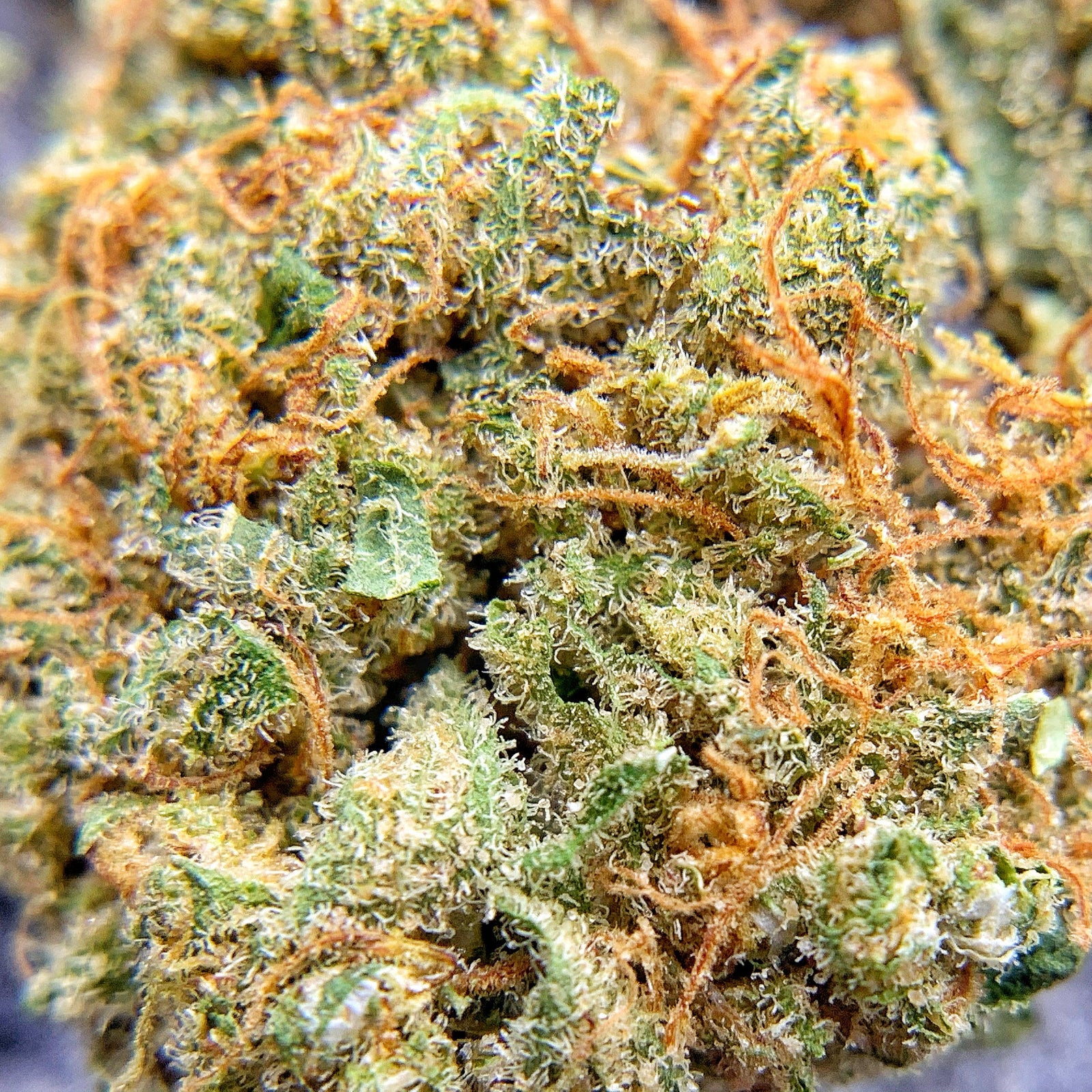
Bag appeal is a cannabis industry term describing the visual appearance of cannabis flower when it is presented in packaging, a sample container, or a product photograph.
It refers to the visual characteristics that shape a person's first impression before other information, such as laboratory results or the terpene profile, is considered.
Cannabis bag appeal commonly includes:
For retailers, cultivators, and cannabis brands, bag appeal can influence how a product is perceived on a shelf or in an online catalog.
However, bag appeal is a subjective visual assessment. It does not independently establish THC potency, cannabinoid composition, terpene concentration, contaminant levels, or the product's complete quality profile.
A visually striking cannabis flower can have a moderate THC concentration, while less visually dramatic flower may have a substantial cannabinoid concentration.
| Feature | Cannabis potency | Cannabis bag appeal |
|---|---|---|
| Primary meaning | Cannabinoid concentration, commonly THC | Visual presentation of cannabis flower |
| How it is assessed | Laboratory analysis and product labeling | Visual inspection or photography |
| Main indicators | THC percentage, other cannabinoids, and reported composition | Color, structure, trim, bud size, and visible trichomes |
| Can it be measured objectively? | Yes, through appropriate laboratory analysis | Some visual features can be assessed, but overall appeal is subjective |
| Does it predict the other? | No | No |
| Does it establish complete product quality? | No | No |
The central takeaway is straightforward: potency and bag appeal are different measurements of different characteristics. Neither should be treated as a substitute for a comprehensive assessment of cannabis flower.
One of the most common misconceptions in cannabis culture is that frostier flower must contain more THC.
The frosty appearance of cannabis flower comes largely from visible trichomes. These tiny structures occur on cannabis flowers and can contain cannabinoids and terpenes.
Because many cannabinoids are produced and accumulated in glandular trichomes, their presence is relevant to cannabis chemistry. However, the amount of visible frost does not provide a reliable numerical measurement of THC concentration.
Several factors can affect how frosty a flower appears:
Two cannabis samples may appear similarly frosty yet have different laboratory-reported THC concentrations. Conversely, visual differences do not necessarily establish which sample has the higher cannabinoid concentration.
For a reliable comparison, consult the product's laboratory report rather than attempting to estimate THC percentage from appearance.
Purple cannabis flower can attract attention because of its distinctive color, but purple pigmentation does not automatically indicate higher THC content.
Cannabis color can be influenced by genetics, plant pigments called anthocyanins, growing conditions, and environmental factors.
Different cultivars can display shades of green, purple, orange, and other colors without those differences providing a dependable indication of cannabinoid concentration.
Likewise, bright green flower is not automatically more potent or fresher than darker flower.
Color is one component of bag appeal. It should not be used as a stand-alone measure of THC percentage, overall quality, or expected effects.
Bud size is another characteristic that can influence cannabis bag appeal.
Large, well-formed flowers often appear impressive in product photography because their structure is easy to see. Smaller buds, sometimes called smalls or popcorn buds, can have a different visual presentation.
However, bud size alone does not establish THC concentration.
Cannabinoid levels can vary within a plant and between samples. Differences in genetics, flower development, cultivation conditions, and handling can all contribute to variations in the final product.
A large bud is not automatically more potent than a small one, and a smaller flower is not necessarily lower quality.
To compare cannabinoid concentration, use representative laboratory testing and batch-specific product information rather than relying on flower size.
THC percentage is an important data point, but it is only one part of a broader cannabis quality assessment.
A product with a high reported THC concentration may still have limitations related to freshness, storage, aroma, contamination, or product consistency.
Similarly, a flower with a lower THC percentage may still have an appealing aroma, attractive structure, and a well-documented cannabinoid profile.
When discussing cannabis quality, it helps to distinguish between five separate considerations.
Laboratory testing can measure THC, CBD, and other cannabinoids included in the analytical panel.
These results provide more objective information about chemical composition than visual appearance can provide.
Terpenes are aromatic compounds found in cannabis and many other plants. They contribute to the characteristic smells and flavors associated with different cannabis varieties.
Examples include myrcene, limonene, pinene, and beta-caryophyllene.
The presence and relative concentration of these compounds help describe a product's aromatic profile. However, a strong aroma does not prove a high THC percentage, and terpene content alone does not establish overall quality.
Cannabis flower can change during storage. Exposure to unsuitable temperatures, light, oxygen, or humidity can affect its condition and chemical composition.
A photograph cannot reliably establish the product's storage history or current freshness.
Bag appeal describes observable characteristics such as color, trim, structure, and visible trichomes.
These features may be useful for describing presentation, but they cannot replace chemical analysis or safety testing.
Depending on the product and applicable regulations, laboratory reports may include testing for pesticides, heavy metals, microbial contaminants, and residual solvents.
A product's appearance cannot establish whether it passes these tests.
A comprehensive assessment therefore considers cannabinoid concentration, aroma, appearance, freshness, and relevant laboratory results separately.
Yes. Cannabis flower with excellent bag appeal can have a lower THC concentration than flower that looks less impressive.
For example, imagine two hypothetical cannabis samples:
Sample A may receive a higher subjective visual rating, while Sample B has the higher reported THC concentration.
Neither observation establishes which sample is better overall. The answer depends on what is being evaluated: visual presentation, cannabinoid composition, aromatic characteristics, freshness, safety, or another product attribute.
This example illustrates why cannabis comparisons should separate appearance from laboratory measurements.
It also highlights the importance of avoiding assumptions based on photographs, packaging, or marketing language alone.
Yes. A high THC percentage does not guarantee visually attractive flower.
A product may have a high reported cannabinoid concentration but lack the color, structure, trim, or visible trichomes that some observers associate with premium presentation.
Likewise, flower that appears attractive may have limitations that are not visible in a photograph.
Bag appeal and THC concentration can vary independently, so one should not be used as a substitute for the other.
When evaluating cannabis products, a more complete picture comes from combining visual observations with reliable laboratory results, product documentation, and information about freshness and handling.
Terpenes sit at the intersection of cannabis aroma, flavor, and product characterization.
While bag appeal focuses on appearance, terpene content helps describe the aromatic chemistry of the flower. The two characteristics may coexist in the same product, but they measure different things.
A cannabis sample might have:
These possibilities show why cannabis quality cannot be reduced to a single number or visual characteristic.
Terpenes are also not a direct measurement of THC potency. Their presence may help characterize a product, but claims about specific effects should be supported by appropriate scientific evidence rather than marketing assumptions.
For consumers, researchers, and cannabis industry professionals, the most useful approach is to evaluate each characteristic according to the information it can actually provide.
A certificate of analysis is a laboratory report that provides information about a tested product or batch.
Depending on the product and testing requirements, it may include:
Verify that the report corresponds to the product and batch being evaluated. A generic report or an unverified laboratory claim should not be treated as proof of the composition of a particular sample.
Cannabis flower labels commonly report cannabinoid concentration as a percentage by weight.
However, labeling conventions vary by jurisdiction, and total THC may be calculated differently from the amount of delta-9 THC present before heating.
THCA can convert into THC when heated, which is why some testing and labeling systems report total THC or potential total THC.
Understanding which measurement appears on the label helps avoid misleading comparisons between products.
When describing bag appeal, focus on observable features such as:
Avoid translating these observations into unsupported claims about potency, purity, or safety.
A more informative cannabis product assessment considers the available laboratory results, cannabinoid composition, terpene information, freshness, storage, and relevant safety testing alongside visual presentation.
This approach produces a more balanced description than relying on THC percentage or appearance alone.
The distinction between cannabis potency and bag appeal is also important for the cannabis industry.
Brands can improve consumer understanding by describing visual features separately from verified cannabinoid content.
For example, a description of flower structure or visible trichomes should not be presented as evidence of a specific THC percentage unless that concentration is independently supported by appropriate testing.
Educational content can explain why THC percentage, aroma, appearance, and laboratory-verified safety are separate considerations.
This helps reduce common misconceptions, including the belief that purple flower is automatically stronger or that frosty flower necessarily contains more THC.
Clear labels, accessible certificates of analysis, and accurate product descriptions can help consumers understand what is known about a product and what cannot be inferred from appearance.
Research published in Annals of Behavioral Medicine in 2025 found that cannabinoid information on product labels influenced participants' perceptions of cannabis products and their willingness to purchase or use them. This reinforces the importance of presenting potency information clearly and responsibly.
Source: https://doi.org/10.1093/abm/kaaf046
Marketing claims should distinguish measurable characteristics from subjective descriptions.
Words such as “frosty,” “colorful,” or “visually appealing” describe presentation. Statements about THC concentration, contaminant testing, or chemical composition require appropriate supporting evidence.
This distinction is useful for cannabis retailers, product educators, and publishers developing accurate cannabis industry content.
Cannabis potency commonly refers to cannabinoid concentration, particularly THC, while bag appeal describes the visual appearance of cannabis flower. Potency is assessed through laboratory analysis, whereas bag appeal is generally a subjective visual evaluation.
No. A higher THC percentage indicates a higher reported concentration, not necessarily superior overall quality. Aroma, visual appearance, freshness, product consistency, and laboratory-verified safety are separate considerations.
Not necessarily. Visible trichomes contribute to the frosty appearance of cannabis flower, but visual frostiness cannot reliably establish its THC concentration. Laboratory testing is needed to determine cannabinoid levels.
No. Purple pigmentation can result from genetics, plant pigments, and growing conditions. Color alone does not reliably predict THC concentration or overall product quality.
Not necessarily. Bud size is a visual characteristic and does not independently determine THC concentration. Cannabinoid levels can vary between plants and samples.
Yes. Cannabinoid concentration and visual appearance can vary independently. Flower with a high reported THC percentage may have less visually appealing structure or color than another sample.
Neither measurement provides a complete assessment of cannabis quality. THC concentration describes a key part of the cannabinoid profile, while terpene analysis describes aromatic compounds. The relevance of each depends on the question being asked.
No. A photograph may show color, structure, and visible trichomes, but it cannot reliably determine THC concentration, terpene levels, or contaminant status. Laboratory testing is necessary to establish those characteristics.
Use current, batch-specific laboratory results from a qualified testing laboratory. Check the reported cannabinoid concentrations and confirm whether the label uses delta-9 THC, THCA, or total THC.
Not reliably. Appearance can provide some visual information, but a photograph cannot establish storage history, moisture conditions, or the complete freshness profile of a product.
Cannabis potency and bag appeal are two distinct ways of describing cannabis flower.
Potency focuses on cannabinoid concentration, particularly THC. Bag appeal focuses on visual characteristics such as bud structure, color, trim, and visible trichomes.
Although these characteristics can influence how a cannabis product is perceived, they should not be confused with one another. Frosty flower is not automatically higher in THC, purple flower is not automatically stronger, and large buds are not necessarily more potent than smaller ones.
The most informative cannabis product assessment combines visual observations with laboratory-verified cannabinoid information, relevant terpene results, freshness considerations, and appropriate safety testing.
The bottom line: bag appeal describes what cannabis looks like; laboratory testing helps establish what it contains. Understanding the difference leads to more accurate product descriptions, better-informed comparisons, and more responsible cannabis education.
Comments will be approved before showing up.